It all started in April or May of 2018, when I looked at my bucket list which said “get a doctorate in government from Harvard or in classics from Oxford.” A few times over the last half decade or so, I’ve had someone message me to say “did you know there’s some random academic pretending to be you in England?” Reader, that was actually me.
I’ve talked a little bit about this, but I’m not sure if I’ve lined up the pieces for most people on just how strange and broken and weird my education has been. I was homeschooled, ended up in public middle school, dropped out of two high schools (sort of was kicked out of the second one), and went straight to three community colleges in the Portland, Oregon area at the age of 16. I was poor and housing-insecure during much of my postsecondary schooling to the point that it interfered constantly with trying to learn. I had a rotten GPA but had strung together enough classes on international relations and human communications to stay eligible to compete in collegiate forensics at Clackamas Community College where I won a national extemporaneous speaking competition. That got me into Carroll College in Helena, Montana thanks to the legendary speech coach Brent Northup, who recruited me and twisted admissions committee arms. When I did my undergrad, I worked as many hours as I could pick up at a small Montana nonprofit and spent most of my bachelors exhausted and sick. I got into the University of Washington’s MA in international relations program and dropped out of that, so out of place and sick and tired I couldn’t function.
I recovered a bit and talked my way into the masters of science in political science at Portland State University; I couldn’t afford books and spent much of my time photocopying Waltz and Surowiecki and Nye because unlimited photocopying was free for graduate students but books cost money. But it was at PSU that I finally figured out that strange cross-disciplinary work could be interesting and feasible. I worked on cognitive behavioral theory and agent-based modeling along with game-theoretic applications to international conflict. In 2004, I got into the University of Michigan’s political science PhD program and paired it with a National Science Foundation fellowship at the Center for the Study of Complex Systems there. I wrung every dime I could out of financial aid. I spent four years slowly growing sicker and more depressed and desperate at all the money I’d poured into school with predatory loans that always seemed to be enough to pay the tuition, but never enough for health care or mental health support or green vegetables or reliable transportation through ice and rain. There’s a longer story there that I don’t feel like telling today. Later, I got certificates, SANS training, a Harvard extension certificate in cybersecurity, some post graduate nondegree things…but until today, my top degree was a masters from a state school 22 years ago. Mostly I learn by smashing the library stack for fun and absolutely no profit. What do they call it…an experiential learner? We’ll go with ‘autodidact’.
What in the ever loving hell am I, a multiple-times school dropout with serious and colorful authority issues from the backwoods of Oregon doing at the oldest and most prestigious university in the world? It started when I re-read Frankenstein in 2013. There are wonderful stories about the 1816 house party at the Villa Diodati in Switzerland with Lord Byron, Mary Shelley, Percy Shelley, John Polidori, and the writer’s prompt from Lord Byron to write about a dream. It ended up with Mary Shelley writing the first science fiction novel, Frankenstein, or the Modern Prometheus.
A few of you who have been around for a while remember that I got super obsessed with a near-forgotten French philosopher at the time, Count Volney. His book, Meditations on the Ruins of Empires, is the book outside Felix and Safie’s hut from which the Creature learns about humanity (remember this old Kickstarter I did?). Mary Shelley embedding this real book in her novel started sparking off some interesting questions for me. I started thinking about how influence in text is transmitted, and near the same time, re-read Lovelace’s Notes on the Analytical Engine, or what we all know as the world’s first computer program.
Lots of people have speculated that Ada Lovelace, the daughter of Lord Byron, might have taken some of her thinking about general purpose computing from Frankenstein. However, there’s no historic evidence that Shelley and Lovelace ever met. Ada’s mother was rather seriously against Ada spending a lot of time with poets and novelists and artists, after having had the unique experience of being married to perhaps the most notorious Romantic rockstar ever. How could one prove that Lovelace had read Shelley? Well, first of all, most of Lovelace’s work is private. She generally communicated through letters, of which most are not published. They’re stored in the Special Collections at the Bodleian Library at the University of Oxford on preservation deposit from her heirs and family. The only way to get to those letters legally is with the permission of the Bodleian Library, and the only way to be ensured of the right to do research on them (though not to publish them) is to be a scholar at the University of Oxford. I figured: why not try again to do my doctorate in some sort of combination of computational work and literature to see if I could get access to answer my own question?
I applied to the Literature and Arts part-time DPhil at the University of Oxford in 2018.
They rejected me.
I tried applying for a part-time DPhil in Computer Science in 2019.
My application wasn’t processed.
I applied for a part time DPhil in English in 2019.
They rejected me.
No one was understanding why I wanted to combine reading literature with rapidly processing batches of text in Python. I wasn’t computery enough for the engineers and I was way too computery for the literature people.
So, I have, as we have now noted and repeated, a lot of experience with failure. But now I was getting really, really stubborn about the whole thing.
Something weird happened to the world, as you may dimly recall in February of 2020. A week before the world shut down, I received my latest rejection from the English department at Oxford. However, within hours of receiving the rejection letter from Oxford, I was accepted in a totally unrelated situation to be a senior special Fulbright Scholar in cyber security at the University of Oxford to work on WannaCry and the mental health of incident responders. It was unrelated whatsoever to my doctorate, but it meant I’d be going to Oxford anyway. In May, I received the most interesting email from the English department at Oxford. I had made a mistake when applying for my part time doctorate in English and had originally started a full time application. I left it incomplete when I finished the part time application.
In the UK in 2020, not only had Brexit been pushed through–meaning that many of the university students who would have been coming to Oxford from the European Union either could no longer afford to pay the new overseas tuition–but Oxford had committed to going completely remote and online for the 2020/2021 school year. Many students come for the experience, new friends, and beautiful life at Oxford, and without that, they took up places at in-person universities around the world instead.
Well, that May, the English department robo-emailed me and noted that I might want to complete that full time application, because spots had opened up and a third round of applications were being considered. I did not think I’d be successful after calling the department and explaining I’d already been rejected, but happened to mention to a friend that I’d received the email. He told me that the field I was probably trying to get into was called “digital humanities” and that there was a department at Oxford called the Oxford Internet Institute that had some digital humanists. I checked the website and found that just like the English department, the OII had opened a final late third round of acceptances.
I applied in June of 2020 and five weeks later, I saw this in my inbox:
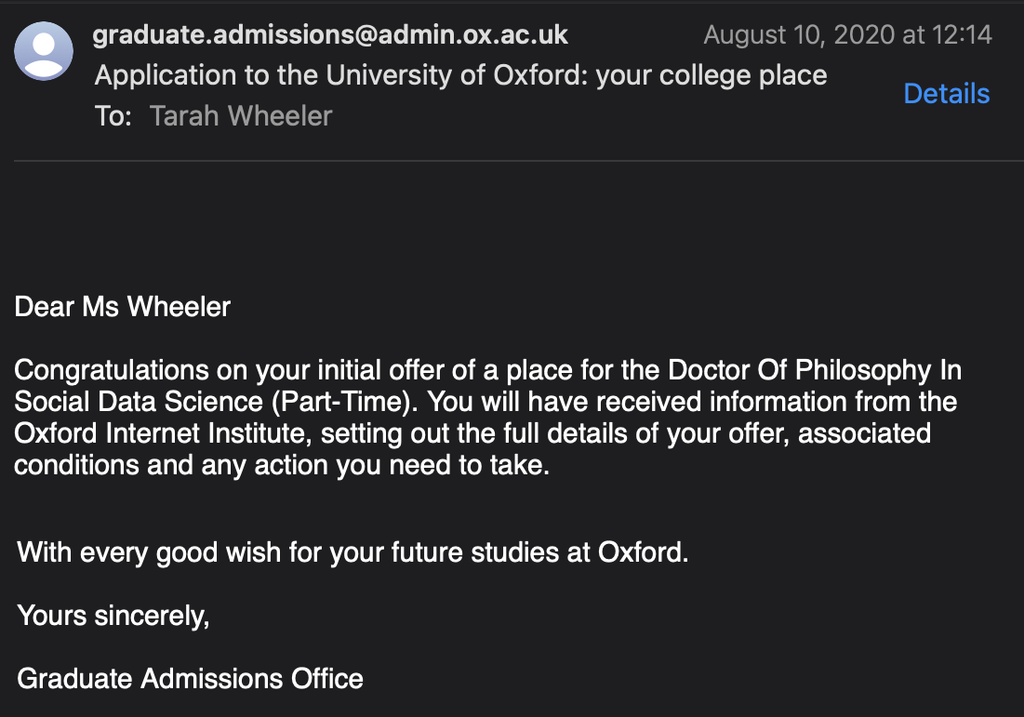
That feeling still hasn’t gone away.
Six weeks later, I matriculated at the University of Oxford. Via zoom, from my little room in Seattle, Washington, at three o’clock in the morning.
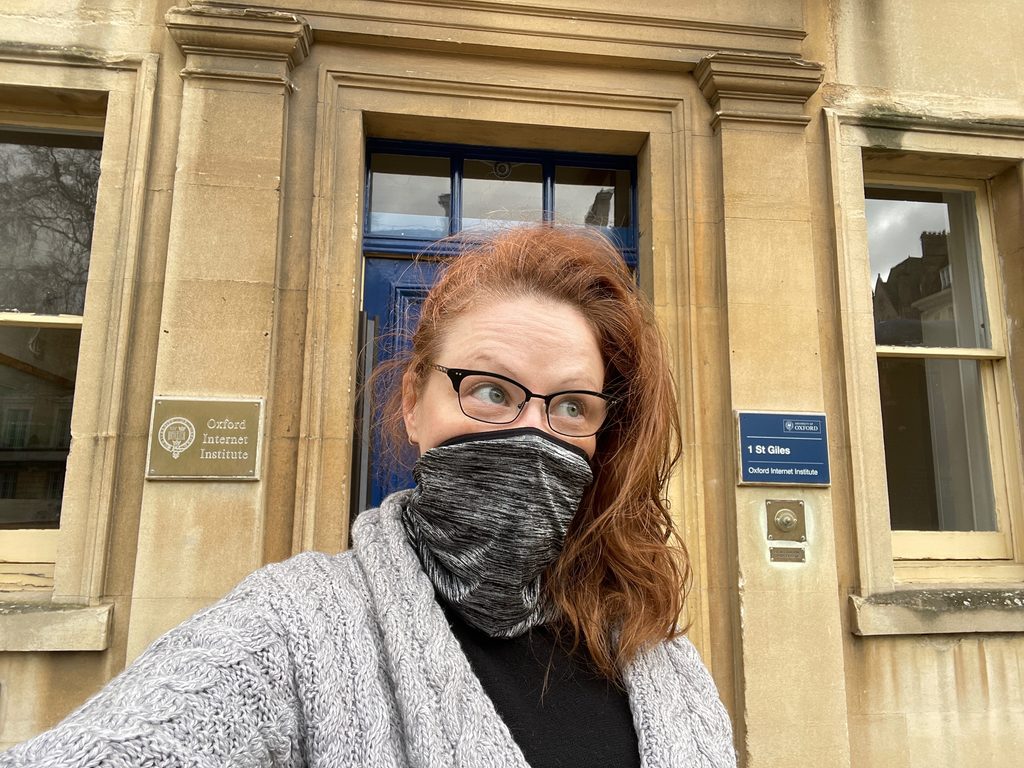
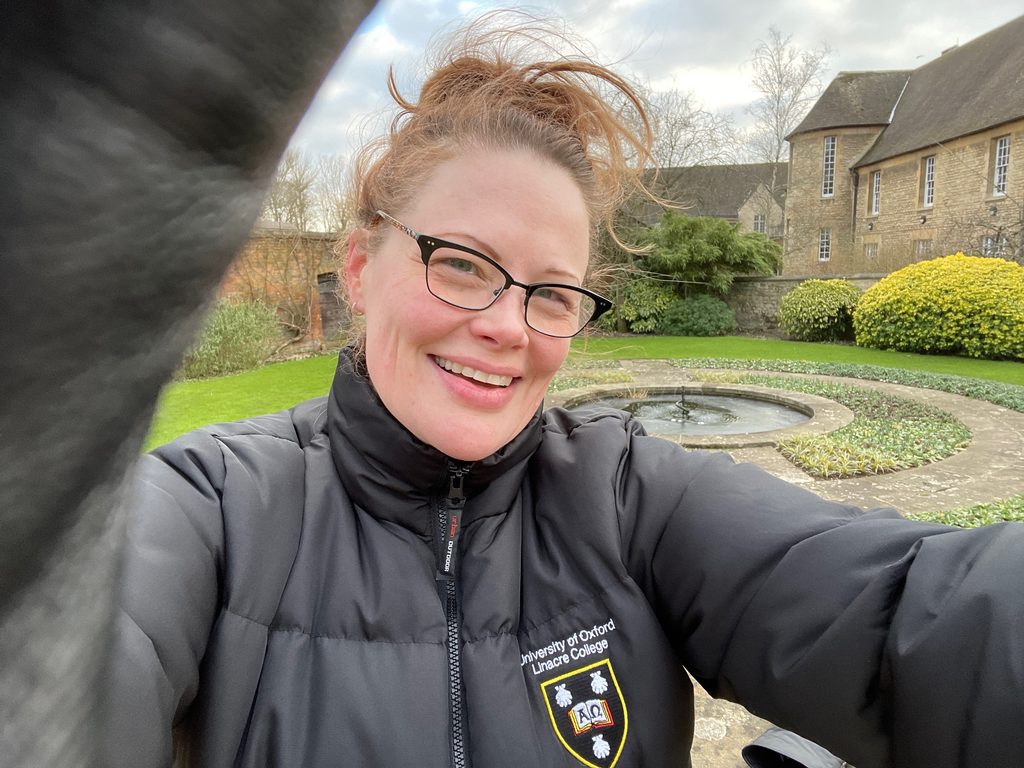
Now, with all this experience of failure, I didn’t want the whole world watching me do this, so I just didn’t talk about it on social media. Instead, I got an experience that was solely for me. Cybersecurity is draining, emotionally exhausting, and frustrating, so I was doing a doctorate in social data science at Oxford, on the weekends, for fun, as a little treat. Every so often, I have been off in Oxford for a few weeks at a time (once for almost four months when I snuck in some studies while doing my Fulbright in 2021, once for a term in 2022) getting this done. Last November, I moved here for a full year to finish this thing off all the way.
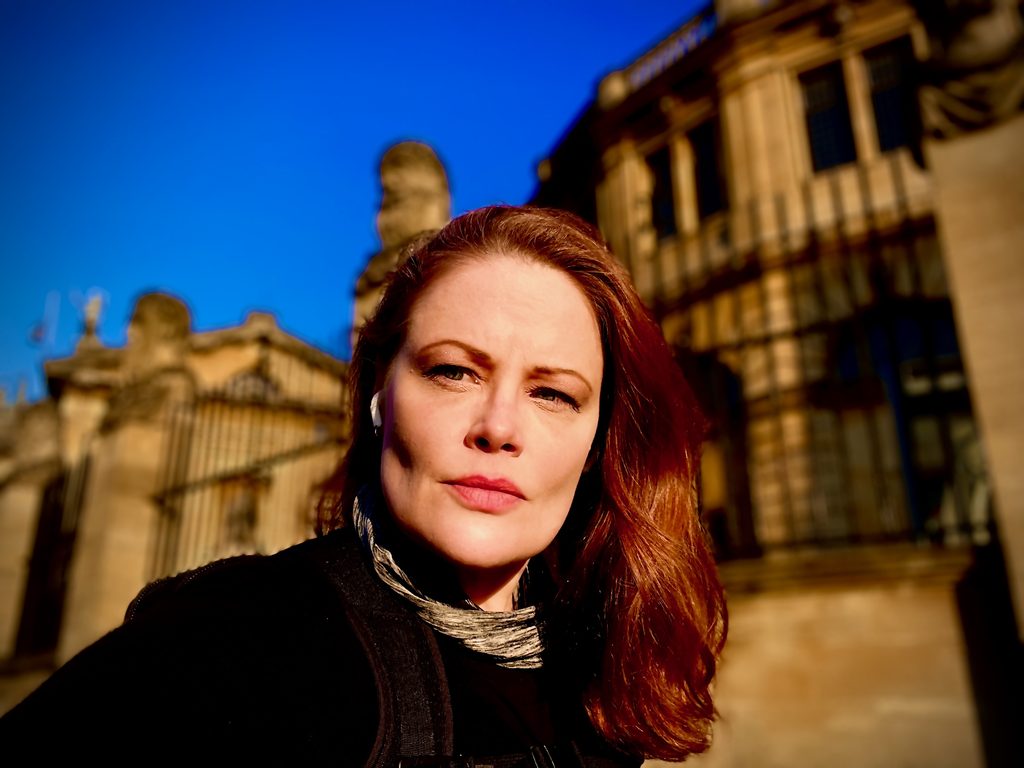
Y’all, can I just tell you that being a graduate student but also not terrified and sick is so great. I didn’t have much of a college experience the first time around, but this time – oh, it was glorious. I biked, and libraried, and rowed for my college’s boat club. I went to bops and parties and dinners and socials and pub nights. I…think I need to write a book again.
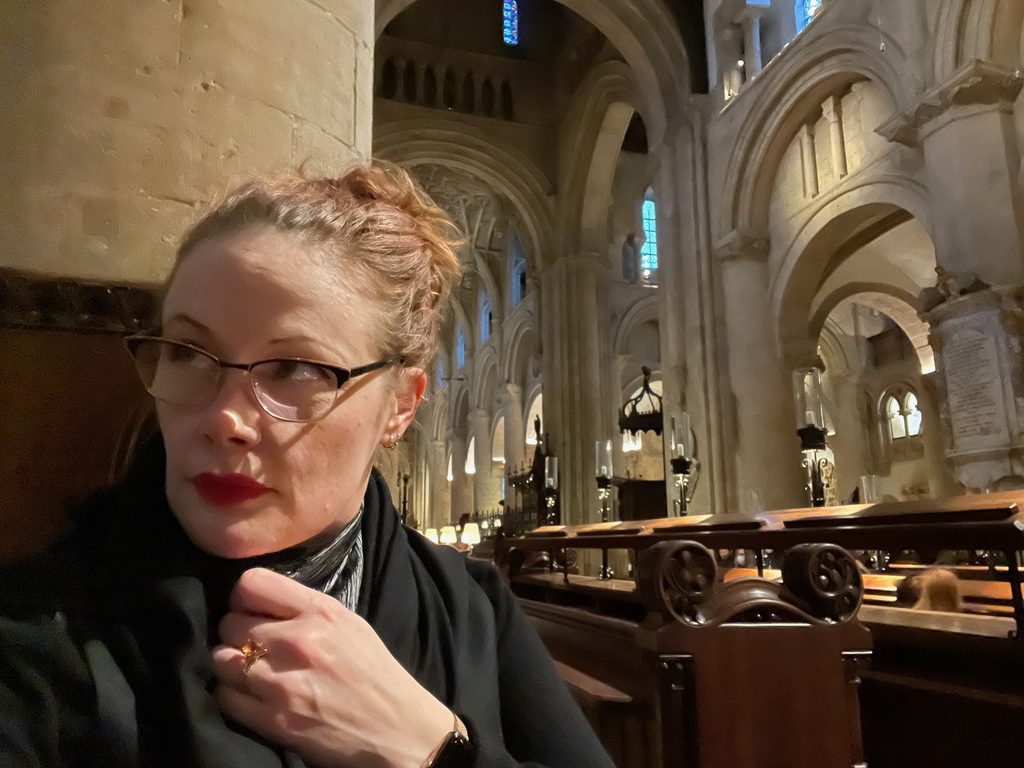
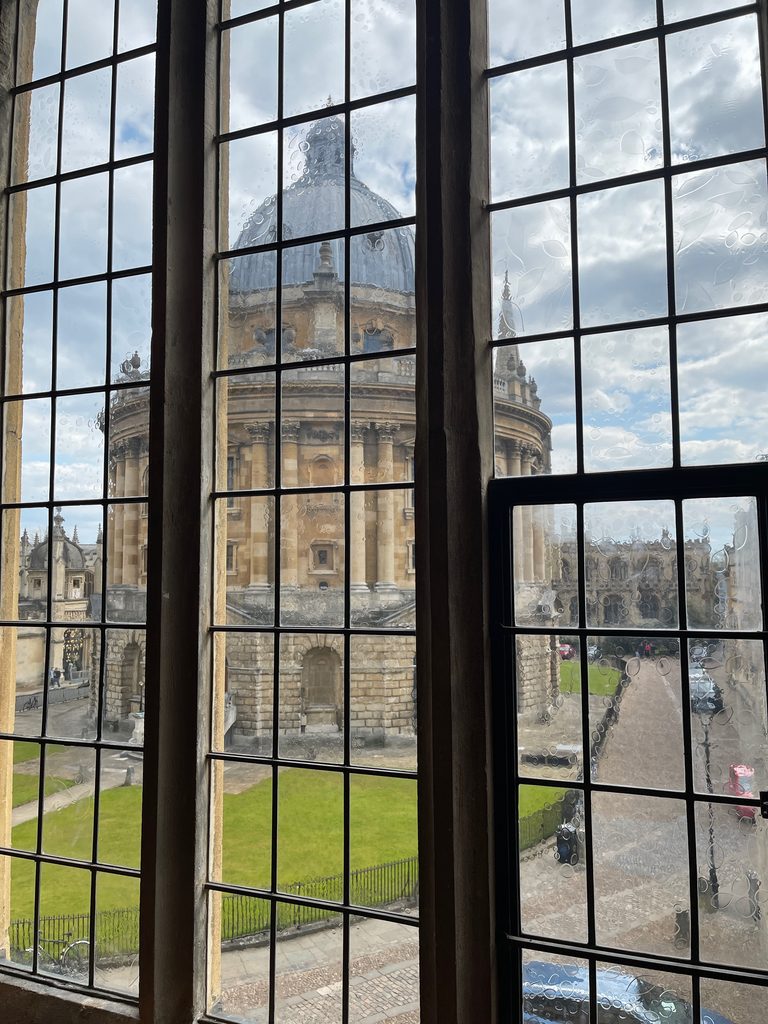
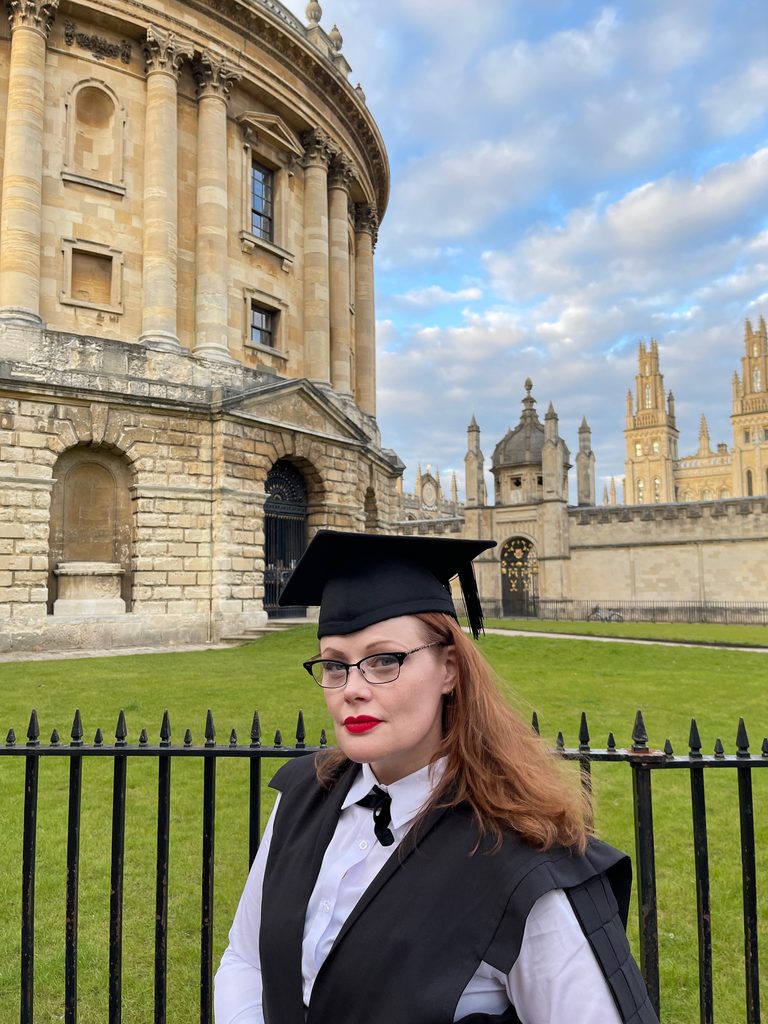
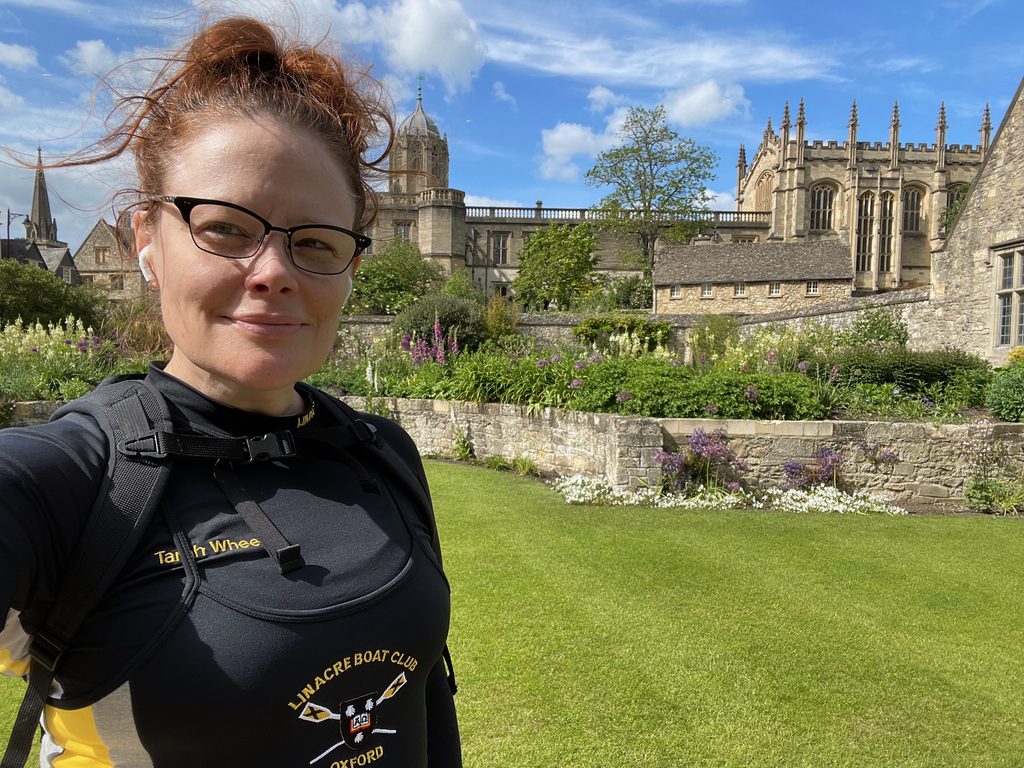
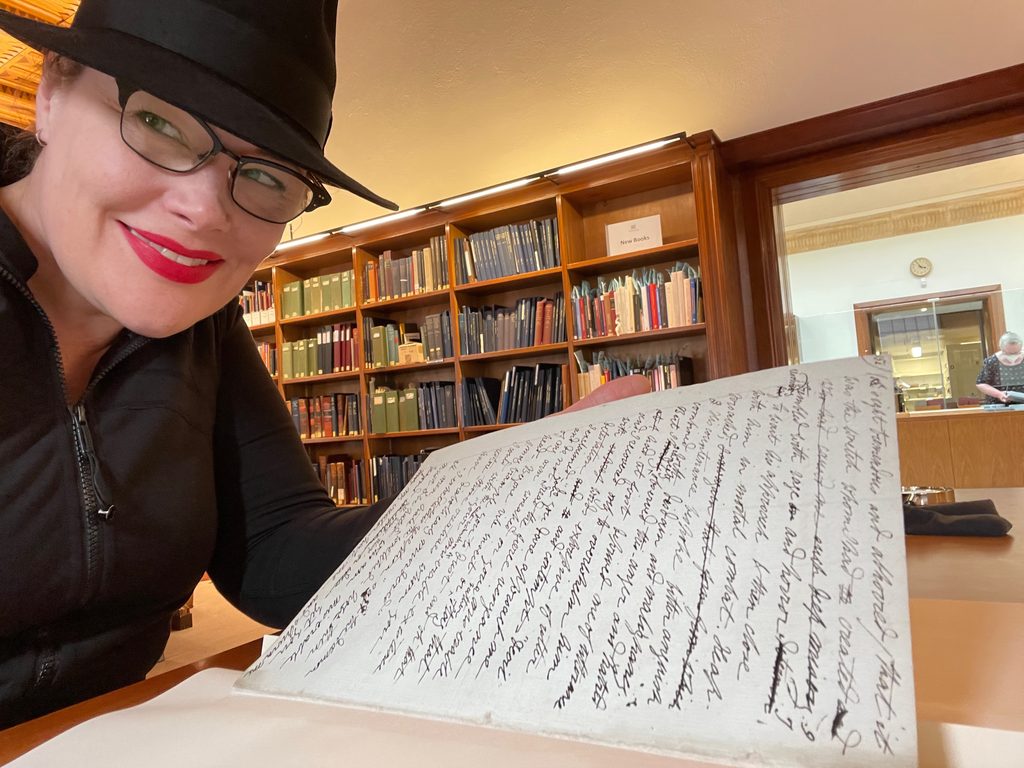
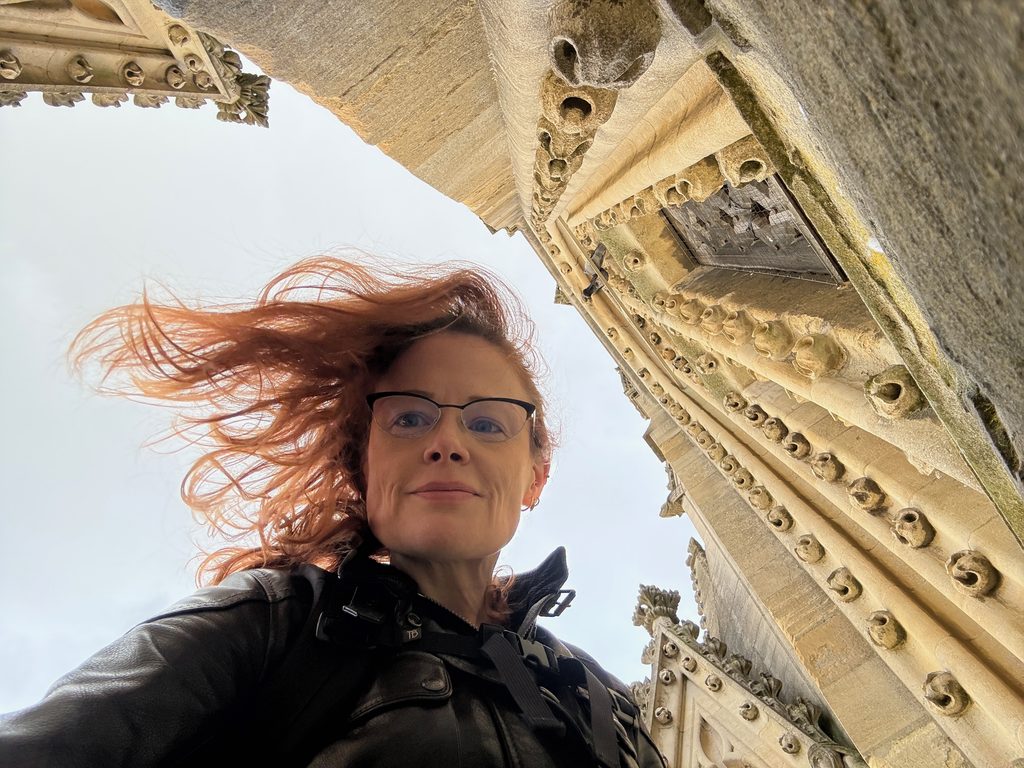
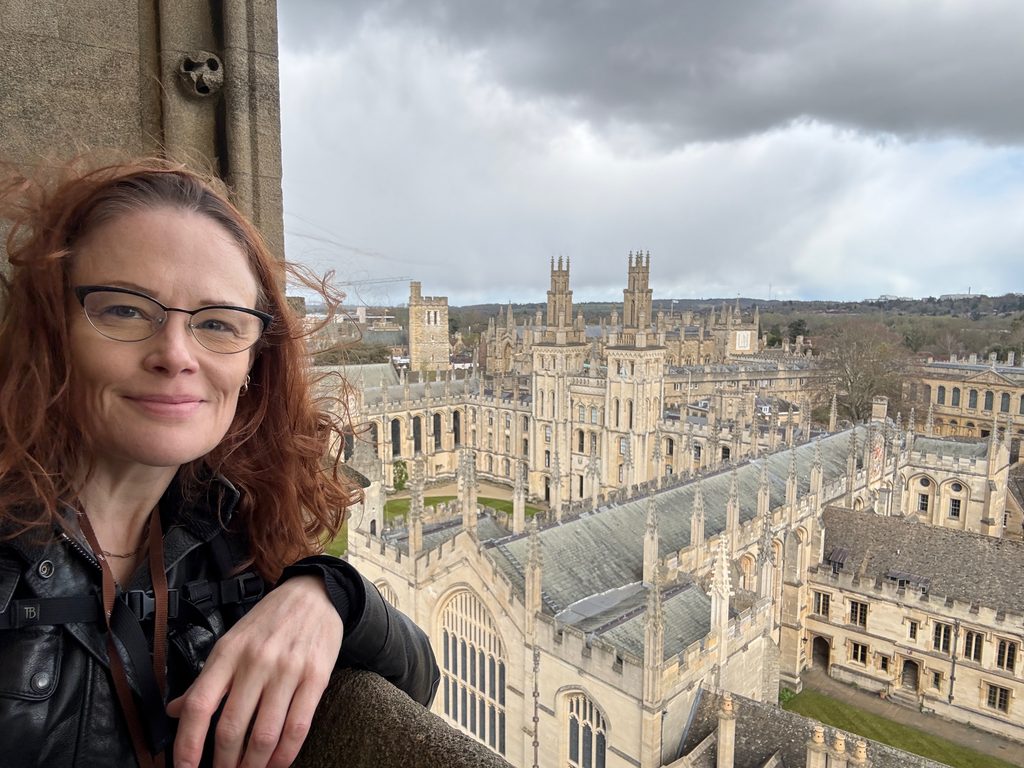
What I ended up doing was a thesis in classic methods of machine learning at scale with full transparency that explains in detail how you can detect potential influence in text over time. It’s both deeply computational in terms of artificial intelligence as well as diving into Bloomian influence, which was just a joy to write and smash together. I could go further into the research questions here, but frankly I’m going to publish my work reasonably quickly so you can read it for yourself. I’ll write some more posts that go into the academic work and what I’ve already had peer-reviewed, and if you want to know more in the meantime, just message me and I can chat about it with you. Or, you can read the paper I had accepted on my methods and presented earlier this year at the Computational Models of Narrative conference in Madrid. Here’s the page: https://www.aclweb.org/portal/content/9th-international-workshop-computational-models-narrative-0 and here’s my paper in their archives (DOI should be coming in the next few weeks so I don’t want to confuse ORCID by creating my own right now) https://drive.google.com/file/d/16nitgomzcUOrRY-t4nHJRKbbloXYKOWK/view.
When I publish my thesis, you’ll see something that is missing from this post, which is the acknowledgements and the thanks for the *staggering* number of people who were part of this journey. There’s a final formal element to this process, which is called Leave To Supplicate and finishing up a graduation ceremony here, and when that happens, I want to tell the full story of the incredible people I have found here and the unbelievable support and love I have had through this process. Rather than do it partially now, I want to tell some detailed stories with more pictures and fun and memories. Plus, I *definitely* need to get a lot of permission from people before blasting their information out there into the world. There were some truly great parties here, and some people who need to be pre-prepared for the amount of kind words I want to say about them.
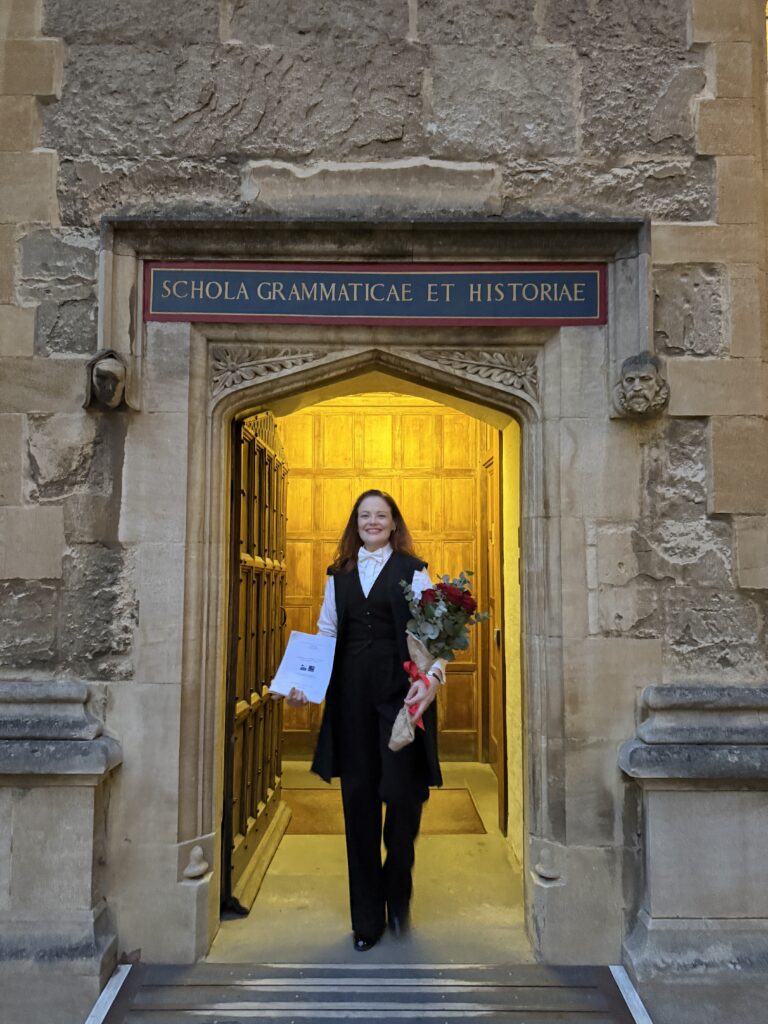
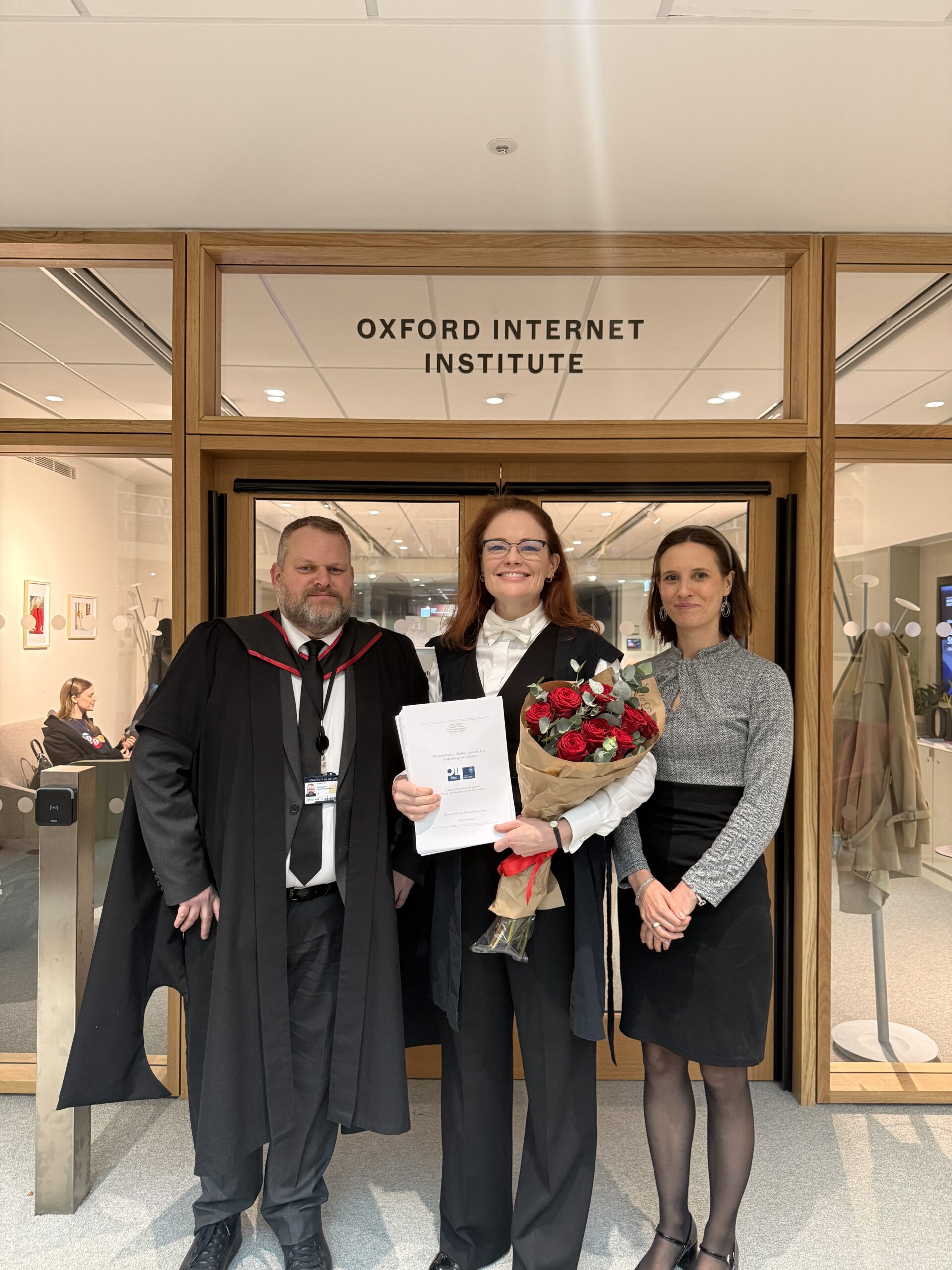
I finished my viva (thesis defense, here in the UK) less than a day ago, and now I’m Doctor Tarah Wheeler. Tarah Wheeler, DPhil (Oxon). [nota bene: I have to do a few more things before I have the degree conferred; it’s a bit different in the UK than the US but I’m told I get to use the title since I passed 🙂 ]
Good LORD that feels good to say. Can I also just say that all doctorates are at least in part motivated by spite. I’m breathless with anticipation for the first time some jackass tries to commandeer the Q&A after some talk of mine with ‘more of a comment than a question’ and starts it off with “Miss Wheeler”. Positively gagging for it, I tell you. The zingers are locked and loaded. The first one will start with “Well, actually” and will descend from there. There’s a bit of preparatory spite there, and yet this has been such a joy-filled and wonderful experience.
Oh, wait. There’s one more flex, I think. From now on, I’ll just call him “Professor Tolkien” instead of JRR.
I don’t have a great record with traditional authority and the educational system. There’s a lot more history there, and one day I’ll share, but today I get to be happy. What’s more: if you’re a person who has deeply struggled with traditional education, maybe is a bit neuroatypical, and feels like you can’t succeed in school, maybe you just have to wait until you can do it on your own terms. Let me know if you need to talk. You can do it.
I did it my way.